TELL ME A STORY #12 – To have & to be: when luxury changes grammar
“Ball, my dear ball, do you see luxury making a comeback?”
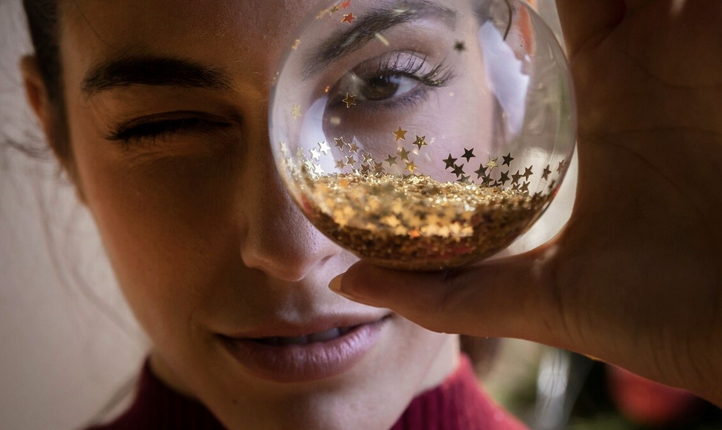
Once upon a time, there was Madame Irma who, as she did every January, took out her crystal ball to decipher the secrets of the year ahead. “Ball, my dear ball, do you see luxury making a comeback?” she asks, and not without reason. After all, 2025 saw the market contract: a 2% drop in turnover, and 20 million consumers quietly taking their leave, and not even with a Vuitton trunk[1]. Faced with her wide-eyed stare, the crystal ball remains opaque. Inside, everything is blurred. China, the US, tariffs, so many unanswered questions, until a word appears: “to have”, immediately erased and replaced by “to be”. Madame Irma rubs her eyes. “To have”, yes, of course. Isn’t luxury, above all, a matter of possession? But “to be”? Frankly, she cannot quite see it. And why even more so in 2026?
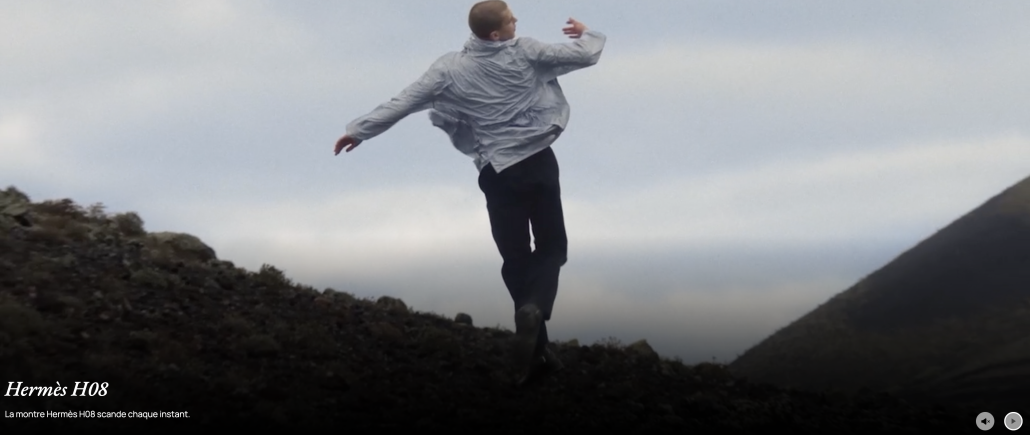
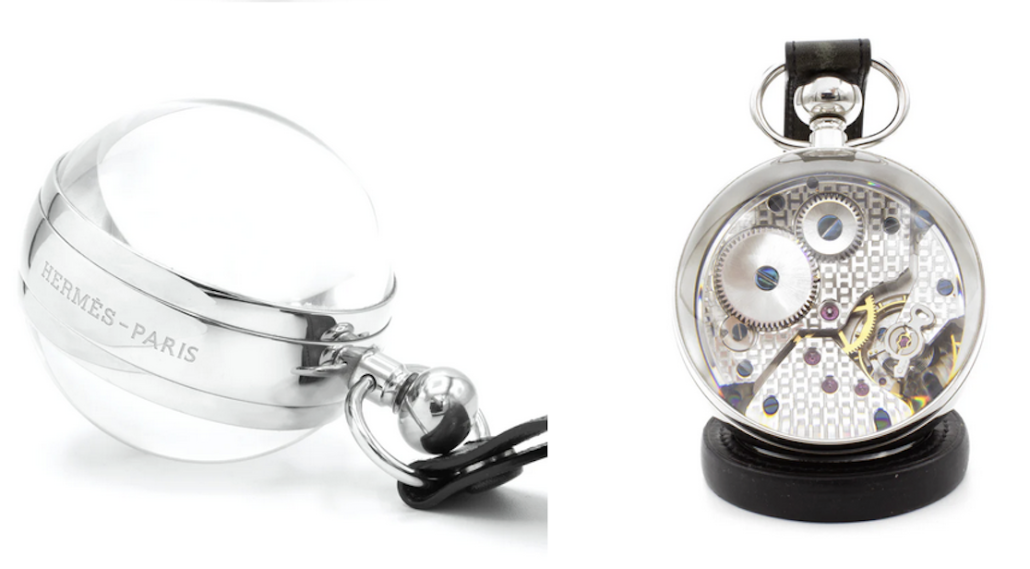 Pendulette Boule, Hermès, 2013
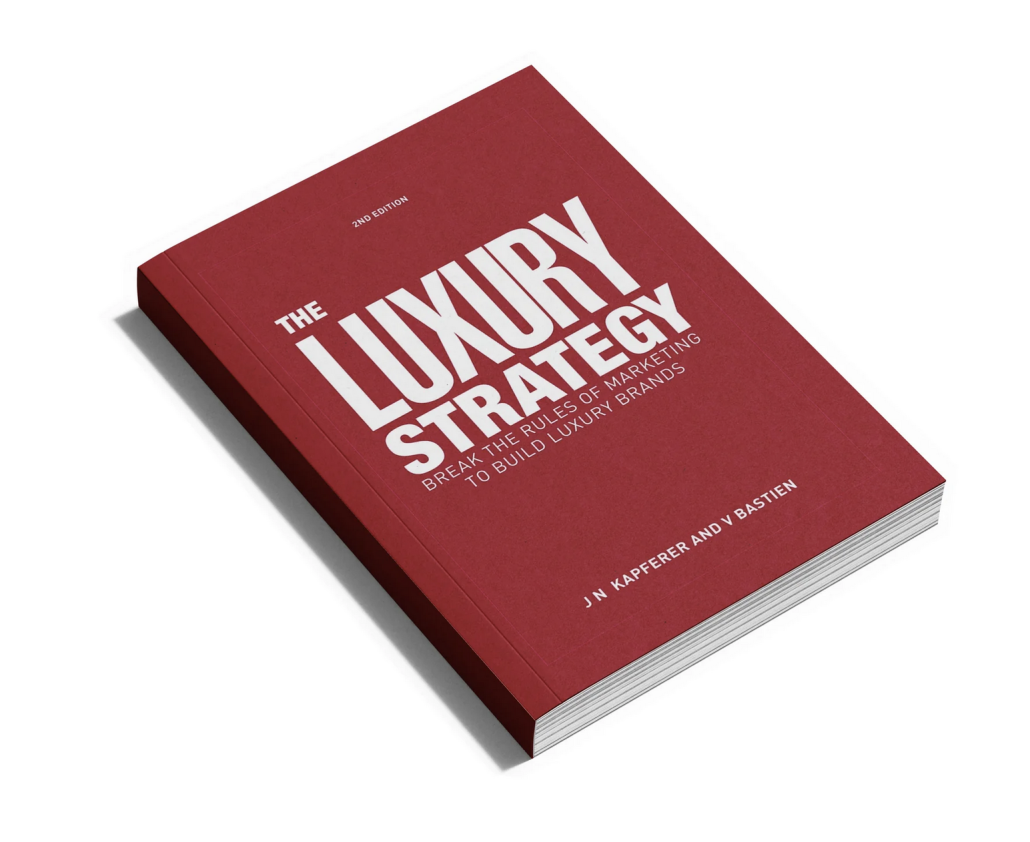
A true clairvoyant, Madame Irma has in fact seen clearly. One must say she’s got a few strings pulled: she works at Bain, and she has access to the numbers. The luxury emerging today is indeed unsettling our certainties. For ten years, I have been teaching my students that luxury is not a pure abstraction but a tangible reality. No, luxury is not time, silence, or whatever else one might imagine. No, luxury cannot be relative: as the leading scholars, Kapferer and Heine foremost among them, have shown, it is a business dimension that is measurable, quantifiable and universal[2]. From Bangalore to New York, via Clermont-Ferrand, 100% of the world’s population considers Hermès a luxury house (even if the brand itself prefers to define itself as an artisanal one). Why? Because luxury is a business defined by essential criteria: quality, aesthetics, rarity, exceptionality, symbolism, and, of course, price[3]. Luxury offers objects that one chooses to acquire. Having lies at the very heart of the matter.
You may argue that I am overlooking the social dimension, the being and appearing discussed in my previous article. Not at all. Let’s call a spade a spade: for decades, luxury has primarily consisted in buying to forge an identity. To have, to better be. Brands multiplied, logos flourished, luxury everywhere, always more luxury. Social media spread the word, and luxury invaded everything. And then came the Millennials, the burnout generation, flooded with luxury since early childhood, now dreaming differently. What if true luxury were silence? Time for oneself? For one’s family? Far from a frantic Saturday at Harrods, jostling in front of Prada or Gucci. Luxury as an invitation to travel, where all would be “order and beauty, luxury, calm and voluptuousness.[4]” A dream dear to French poet Baudelaire which, in 2026, might well become reality.
“The new luxury is no longer something to be shown, but something to be lived.”
According to Nelly Rodi, luxury in 2026 will be sensory above all: “The new luxury is no longer something to be shown, but something to be lived.” In essence, discretion and invisibility take centre stage, a luxury of beauty, calm and voluptuousness embodied in an increasingly experiential form of hospitality, replacing ostentation. We are far removed from the original Club Med spirit, with cheerful organisers welcoming guests in song. Luxury hospitality is expected to grow at an average rate of 7.5% per year until 2030. According to experts, however, this thirst for experience will extend beyond travel, reinventing a cultural, artistic and enriching luxury, in short, a gastronomic luxury capable of nourishing the mind. Think of the literary gatherings on Rue Cambon, or Princess Charlotte of Monaco’s reading recommendations for the House of Chanel. With Millennials, luxury turns inward, perhaps in reaction to the excess of visibility with which social media have inundated them. I can already hear the objection: Louis Vuitton has been offering cultural spaces within its maisons for years, and Chanel has been exhibiting its bags around the world in a travelling pavilion. Granted. But what was once peripheral is now shifting towards the centre. According to Rose Coffey[5] of The Future Laboratory, luxury brands are evolving towards “a role as cultural custodians, preserving living archives and enabling consumers to become co-creators.”
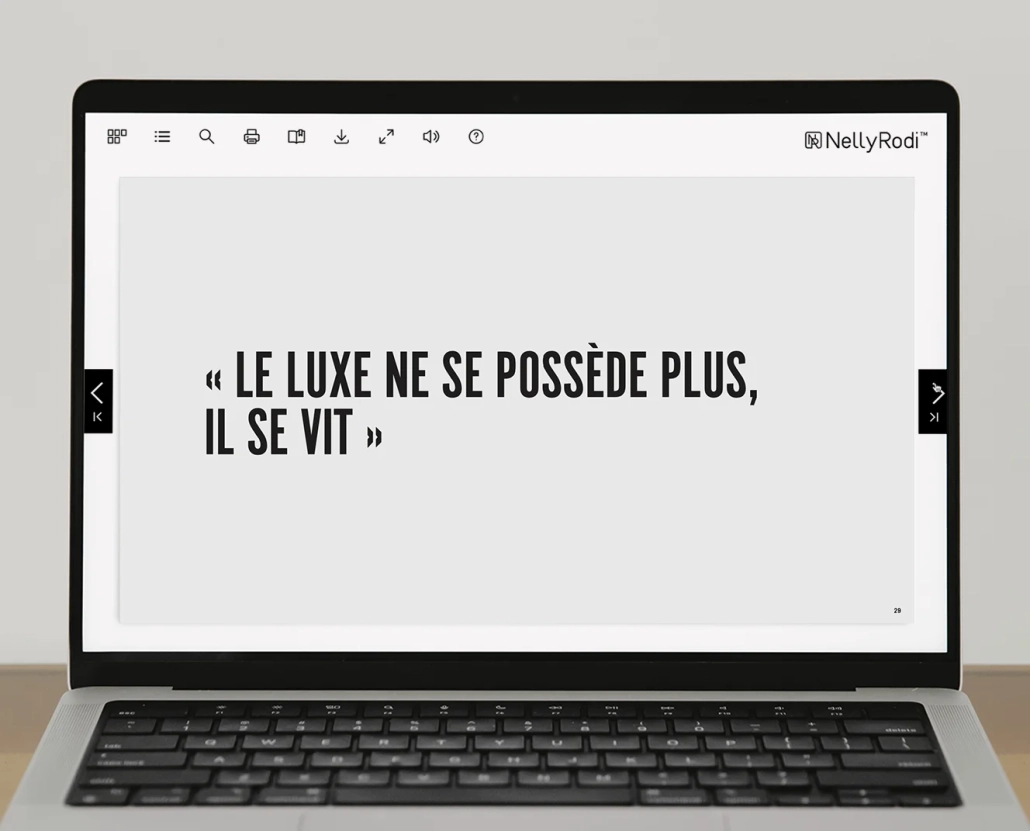 Nelly Rodi, study, 2026
Concretely, this means that luxury is now taking on at last the role of guardian of its heritage and its savoir-faire, while placing new art forms and local talents centre stage. Journal du Luxe cites Dior’s Gold House in Bangkok: a pop-up store where French art de vivre is enhanced by the work of Thai artisans, who designed a décor rooted in the country’s purest traditions.
Do you remember my previous article, the one in which I described luxury as an act of differentiation and stratification? After an era of excessive democratisation comes the return of a confidential, intellectual, and perhaps even elitist luxury for the happy few, as Stendhal might have boasted. An ode to hedonism, secrecy, reading, slowness and craftsmanship: luxury in 2026 seeks to stretch time to savour it more fully. When being replaces having. QED. Enough said.
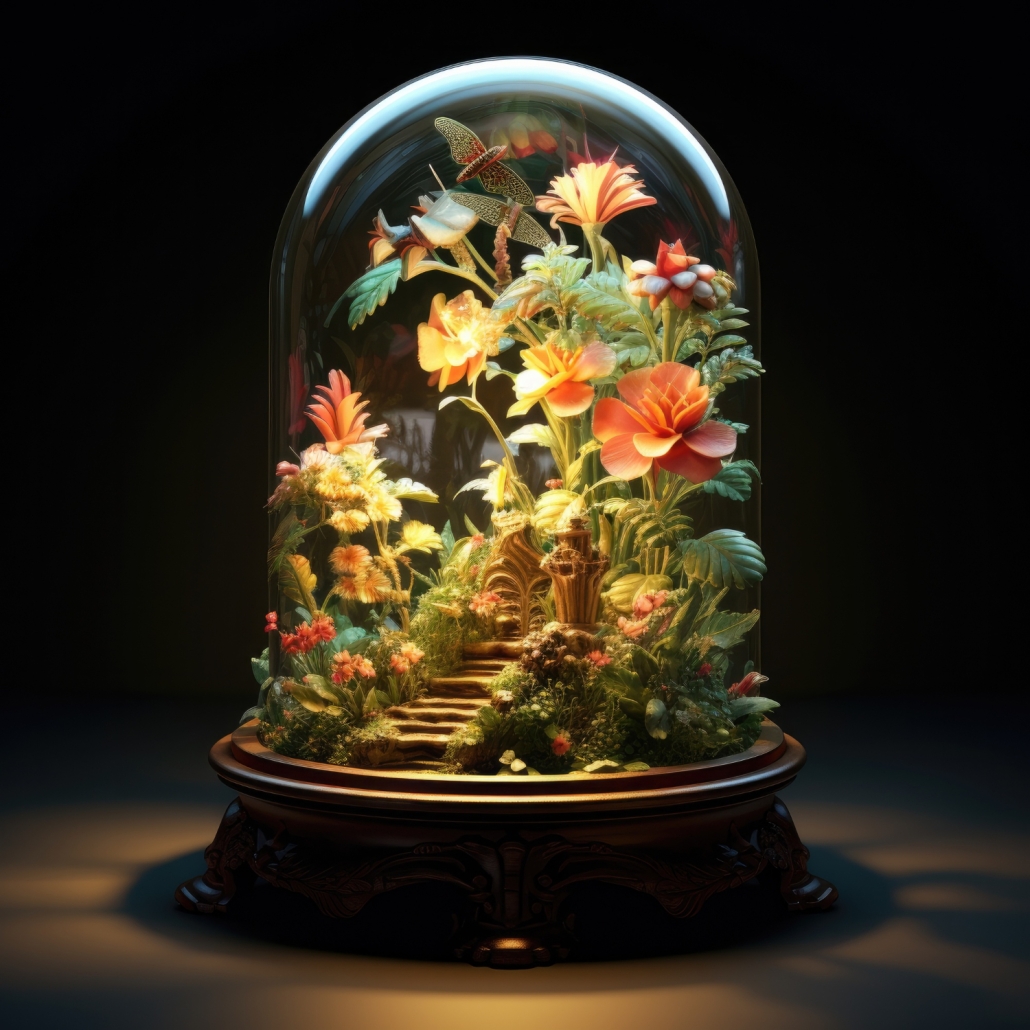
“My child, my sister,
Dream of the sweetness
Of going there to live together!
To love at leisure,
To love and to die
In a land that resembles you! (…)
There, all is order and beauty,
Luxury, calm and voluptuousness.”
When imagining his poem, Baudelaire could not have known how prophetic he would be, more so even than Madame Irma.
And you, what does luxury in 2026 look like to you?
Aurélie Leborgne,
February 2026
–
[1] https://www.luxurytribune.com/previsions-du-luxe-pour-2026-une-croissance-moderee-de-3-a-5-est-elle-realiste
[2] J.-N. KAPFERER / V.BASTIEN, The Luxury strategy, Break the rules of Marketing to build luxury brands
[3] Klaus HEINE, http://upmarkit.com/concept-of-luxury-brands/relativity-of-luxury
[4] From “L’Invitation au voyage” by Charles Baudelaire. English translation after Roy Campbell (1931): “There, all is order and beauty, / Luxury, calm and voluptuousness.”
[5] https://www.journalduluxe.fr/fr/business/tendance-2026-marques-celebrent-patrimoine-savoir-faire-artisanal

Leave a Reply
Want to join the discussion?Feel free to contribute!