

TELL ME A STORY # 10 – Making fact out of fairy tale fiction make way for beneficence!
Once upon a time, in the Land of the Rising Sun, there was a salesman named Jun, full of enthusiasm and talent. One morning, two wealthy ladies from Singapore entered the shop, queens, no doubt, judging by their bulging shopping bags and sparkly necklaces. They were welcomed accordingly, as hospitality is taken to extraordinary heights in Japan. The shopkeepers hurried to relieve the ladies of their purchases (porcelain, lacquerware, and pearlescent paper crafted in the purest Japanese tradition) and helped them settle in. The ladies’ proceeded to reveal a shared dream that Jun warmly welcomed: they wished to buy twin bracelets as a souvenir of their trip together. Jun presented his finest pieces, emeralds, rose gold, mother‑of‑pearl flowers. The ladies devoured everything with their eyes; the choice was too difficult. Then, regretfully, they stood up: they had an appointment. At that moment, the master of the House appeared behind them, a wise man with clear, serene eyes, who asked what was so urgent. “A visit to Lady Sasaki,” the clients exclaimed excitedly, the fairy of silk kimonos, a “national treasure”! The master bowed: “We will be delighted to look after your purchases during your visit.”
A carriage carried the two ladies away. The master looked at his staff with a mischievous glint. “Since these ladies will return, let us give them a surprise.” Each person suggested a word, a flower, a gesture. “A furoshiki!” proposed Jun, that magical square of cloth that can be tied and untied, wrapped and carried however one pleases. The master gave his employee full “carte blanche”, and, quite literally, his bank card, and Jun soon returned with two furoshiki from Mitsukoshi. When evening came and the travelers reappeared, how delighted they were to discover these gifts! Charmed by such remarkable generosity, they bowed, thanked the staff, and returned the following day to purchase their bracelets.
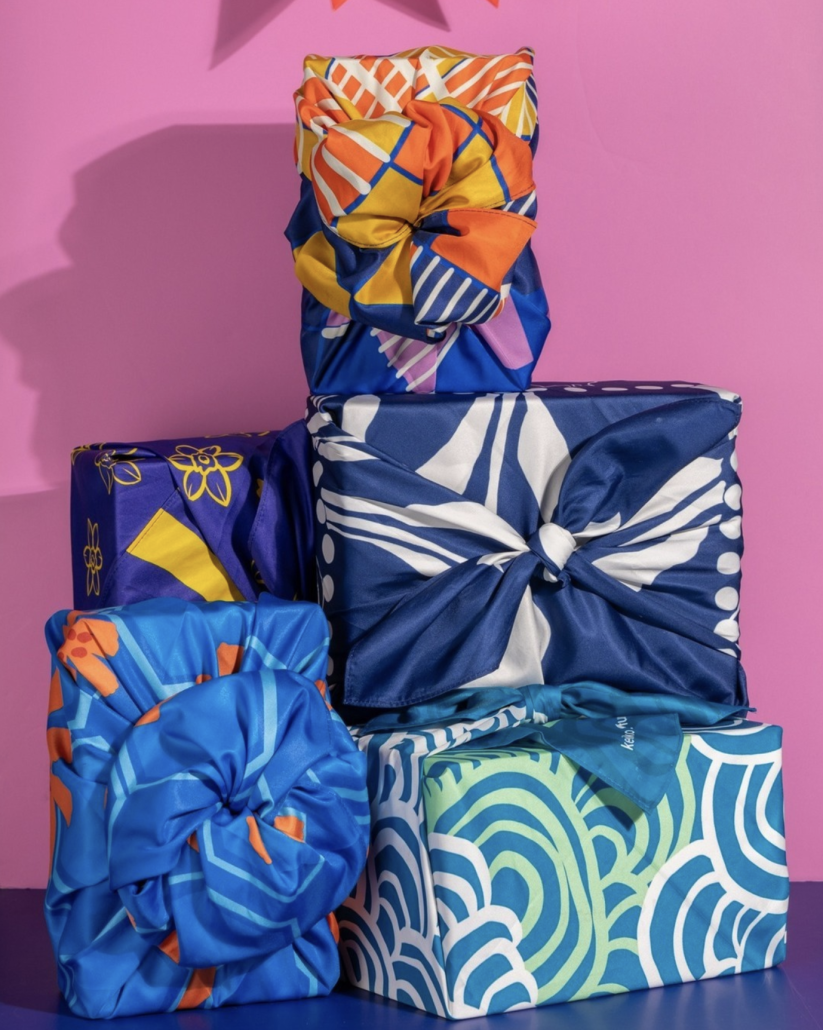 Keiko Furoshiki
This story is beautiful, yet it is no fairy tale, for it truly happened. It is told by Constance Calvet in Non merci, je regarde[1]. RAK[2], or Random Act of Kindness, refers to the art of giving joyfully, without premeditation and without expecting anything in return. A simple gesture can become unforgettable because, for the recipient, it goes far beyond the material value of the object. It is recognition, respect, an outstretched hand in search of a sincere connection. A token that softens the heart and elevates an in‑store experience.
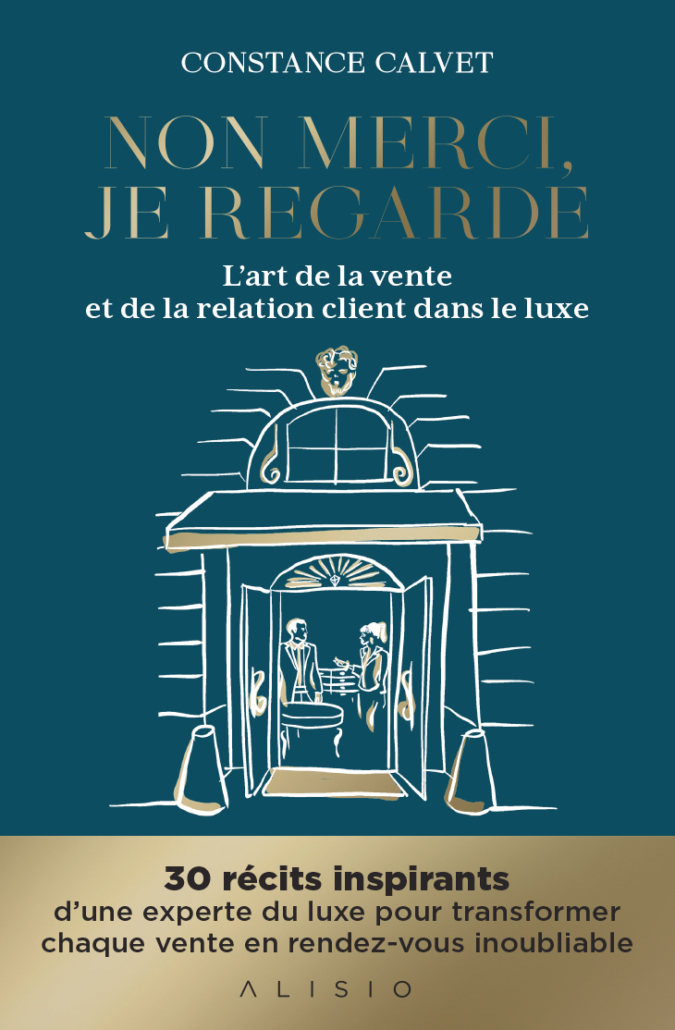 Constance Calvet, “Non merci, je regarde”
“The smallest act of kindness is worth more than the grandest intention”
Oscar Wilde is said to have remarked.
Action is the cornerstone of kindness. Jun showed benevolence; the master showed beneficence. Between the two lies an ocean. From intention to action, the gap can be immense. Benevolence is spoken of everywhere. Yet etymologically it means nothing more than goodwill. I may wish to do good, but will I do it? Will I have the means? The time? The permission? These hesitations hinder action. Benevolence is desire; beneficence is action. Let us cast aside the outdated image of wealthy patrons performing ‘charity’ for the poor and restore the word to its original dignity. “Beneficence consists in contributing to the well‑being of our fellow human beings; benevolence is merely the desire to contribute to it,” emphasized the English philosopher Jeremy Bentham in the XIIIth century[3]. A client steps in. You listen patiently, ask questions, offer your time. Let us go further: if it is hot, bring them water; if they are overloaded, help them. If their children are restless, offer coloring books. If they mention loving French macarons, have a box brought to them. Act before being asked, astonish, surprise, delight, so that fairy tales may finally become tales of fact.
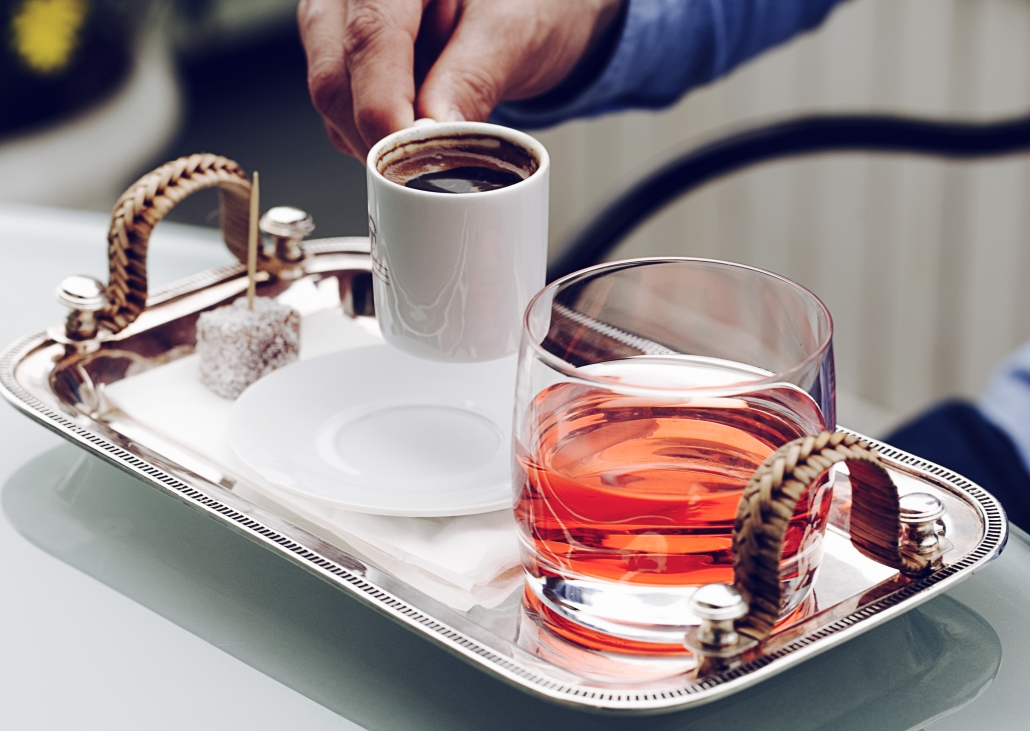
Thus, to flourish in a boutique and take root there, beneficence requires two strokes of the magic wand:
trust and autonomy
The master saw his team as a source of ideas and let them take the lead. The gift was even more authentic for it, making Jun proud of his initiative. What is more pleasurable: giving or receiving? Jun spread his wings and felt empowered, free to care for his clients and decide how best to please them. Once again, the Ritz shows the way: every employee must have the authority (and a small budget) to satisfy their clients without needing authorization[4]. What would happen to spontaneous acts if they had to be approved by countless superiors? Where would the kindness go? The joy of surprise? The freedom to choose? Beneficence is not subservience; it is the essence of a beautiful experience.

One winter morning, in the dark fog before dawn, I waited for a taxi. It was five o’clock, ten degrees below freezing – I was in Munich, after all. The cold was biting, the taxi was late, and I was cursing. Headlights pierced the night; the driver stopped in front of me, apologized for being a minute behind schedule, and handed me a cup, beaming: “I took the liberty of stopping on the way to get you a coffee.” I do not even like coffee, yet I drank every drop because I was so touched. I never saw him again. He was not trying to win my loyalty. It was pure kindness.
And you, what are your most memorable examples of RAK?
Aurélie Leborgne,
December, 2025
–
[1] Alisio, 2024.
[2] Anne Herbert develops this concept in the book Random Kindness and Senseless Acts of Beauty (New Village Press, 2017).
[3] « Déontologie ou science de la morale », La Bibliothèque hédoniste, 2006, cité par Delphine Jouenne, Associée co-fondatrice d’EnderbyN 25/12/2024, dans un article de Harvard Business Review, 25 décembre 2024, https://www.hbrfrance.fr/management/de-la-bienveillance-a-la-bienfaisance-en-entreprise-60875.
[4] Shep Hyken: Ritz Carlton Customer Service Tips, 2017: https://www.youtube.com/watch?v=2pM-beKX0Vk


Leave a Reply
Want to join the discussion?Feel free to contribute!