
TELL ME A STORY #9 – An Ode to Pre-Loved Luxury
“ An Ode to Pre-Loved Luxury ”
Once upon a time there was a royal princess who donned the same dress twice in public. The audacity—and within the same week! Was the crown facing a budget crisis? The news lit up England’s tabloids. When Kate wore her favorite outfit for a third time, the nation was stunned. The faux-pas turned fashion statement was analysed from every angle: with this deliberate gesture, Her Royal Highness was shining a spotlight on responsible fashion.
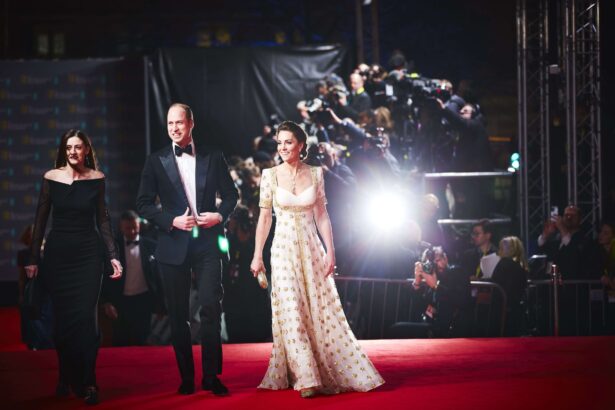
Kate, queen of vintage?
That was in 2012.
Vinted was celebrating its fourth anniversary and Vestiaire Collective its third. The revolution was brewing, though no one could yet imagine how all-consuming it would become. The second-hand market is shaking the foundations of the luxury industry as powerfully as the arrival of the Internet once did. When I was a child, thrift shops and second-hand stores weren’t fashionable. They reeked of empty wallets. Who could have guessed that, years later, they would become… fashionable? “Vintage” has replaced “thrift”—a far more elegant term, one that connoisseurs of fine wine understand well. Now, pre-loved luxury wears its finest attire: we chase after it, we want it, we desire it, and for good reason—it bears the marks of a past that make it unique. People want to stand out after having their fill of cookie cutter Ikea interiors and Zara ubiquity. It’s a generational preference, of course, as pre-loved luxury now knocks at your door via your smartphone and baby boomers are largely unmoved[1]. Millennials are drawn to getting the best for less – thrift haul, anyone? – and buying second-hand makes them responsible shoppers. Gen Z are completely absorbed; their shopping sprees begin on Vinted or Depop. Beneath their nimble fingers and fertile keyboards springs a world of desire they could never have afforded before. The cult-like veneration of brands is back, as vintage opens up a multitude of possibilities. And let’s not forget ethics and sustainability, the perfect counterpoint to Shein: buying second hand is a feel-good move that’s worn like a badge of honor, a crucial argument for all our young clients. You’ve get the point by now: vintage is a lifestyle before it is a design choice.

But might pre-loved luxury be as tempting as forbidden fruit?
Once you’ve taken a bite, how can you resist? The treasure hunt is addictive; we all find ourselves scrolling endlessly in an intoxicating quest we can’t escape. Though the resale market represents only 5% of luxury today, KPMG[2] estimates it will reach €73 billion by 2031, with an average annual growth rate of 11.5%. And yet, the luxury market is not an endlessly expanding universe. If the old grows, the new must shrink—but at whose expense? Twenty years ago, young people entered the world of luxury through an “affordable” item—a Speedy, a Baume & Mercier, a Touche Éclat concealer, or a Chanel lipstick offered by the whole family to celebrate graduating from school or coming of age. Today, Gen Z first comes in contact with major brands from their phones, and for the same price they can acquire not one but several coveted objects. As a matter of fact, fashion houses have a lot to gain: when their pieces take on a second life, it proves their quality, timelessness and durability—a return to the very essence of luxury.
“What has aged has proved its worth,” wrote Aristotle.
“What is ancient has stood the test of time—and that is the seal of truth” [3]
An adage Uncle Scrooge would not deny, he who worships his lucky dime—the first, the oldest, the best one he ever earned. And the client who discovers luxury at an ever-younger age is a client for life. This is the famous so-called “no going back” effect theorised by Kapferer and Bastien, or the “ratchet effect”: once someone has tasted luxury, they never go back4]. You don’t drive a Scenic once you’ve learned to drive a Porsche, even a second‑hand one. Gen Z will embrace luxury but carve out its own path. The greater risk lies with Millennials—those whose wallets are well lined enough to afford an indulgence, but who succumb to the siren call of a dream at a discount. Those clients are truly lost. And their proportion – still unclear – may well put a dent in retail numbers. At the top of their wishlists are watches and leather goods, two product types unaffected by body shape. Fortunately, ready‑to‑wear faces fewer woes, since most clients still prefer to try before they buy.
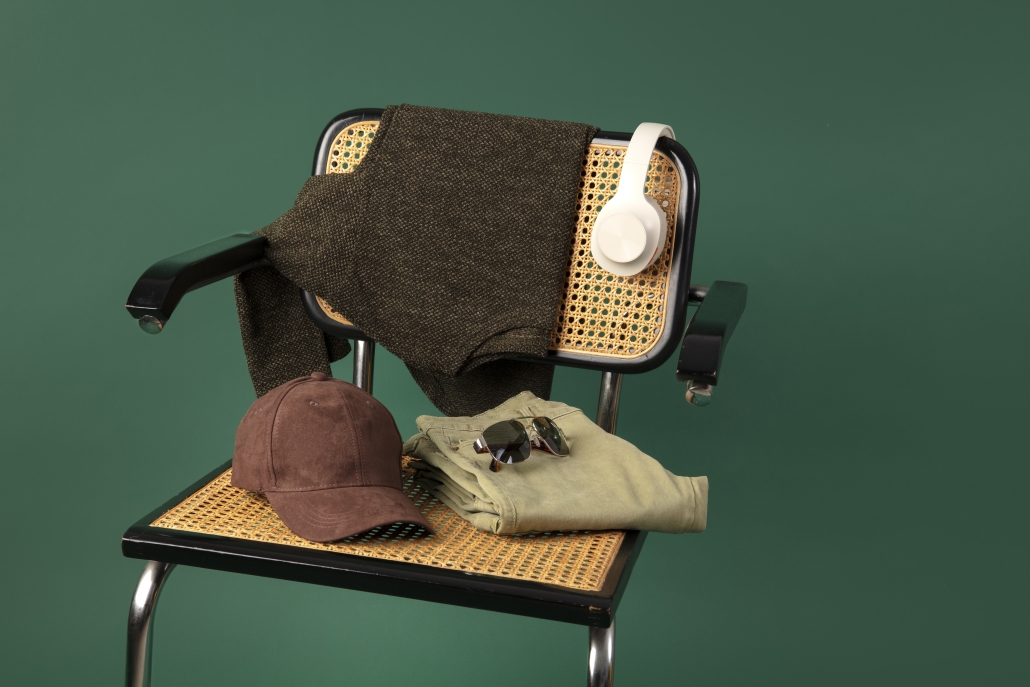
Pre‑loved luxury is worthy of a Copernican revolution. It’s redefining the borders of luxury and is forcing retail to reinvent itself. Tomorrow more than today, in-store clients will seek an emotional experience that an online Birkin cannot offer. Some Maisons have already gotten on board: Christofle, Van Clef & Arpels and Cartier Tradition hunt down their own creations, restore them, and sell them in‑house—an extraordinary opportunity to bring treasure hunters back through their doors. With Gucci Vault, the House experimented with pre‑loved sales in pop‑up stores and last year announced Gucci Vintage, dedicated 100% to its own pieces. We’re following that endeavor with great interest. Step by step, pre‑loved luxury must leave the apps to be reborn in boutiques—as a cry of pride from the luxury houses, an ode to beauty and craftsmanship. In a recent LinkedIn article[5], Christophe Cais, founder of CXG, analysed the success of Japanese vintage boutiques, where second lives hold as much importance as the first.
“It’s a philosophy,” he wrote, “that involves a relationship with time, history, and care.”
It’s also a wonderful opportunity to highlight the first life of each creation—and its uniqueness. Let us learn to sell pre‑loved luxuries as passionately as the first loves—and to unearth a story in every wrinkle of a bag.
And you, what is your most beautiful pre‑loved luxury story?
Aurélie Leborgne,
November 2025
–
[1] Statista.
[2] https://assets.kpmg.com/content/dam/kpmg/gr/pdf/2024/02/gr-kpmg-future-of-consumer-goods-the-market-of-luxury-goods.pdf?utm_source=chatgpt.com
[3] Aristotle, Nicomachean Ethics.
[4] V.BASTIEN & J.-N.KAPFERER, Luxe oblige, Eyrolles, 2012.
[5] https://www.linkedin.com/feed/update/urn:li:activity:7384141953707425792/


Leave a Reply
Want to join the discussion?Feel free to contribute!