TELL ME A STORY # 11 – It’s Not a Luxury!
Once upon a time, a baby lay in a manger, tightly swaddled. Legend has it that in the first few days of January, kings traveled from afar to kneel before him, presenting him with sumptuous gifts. It’s a bit odd, when you think about it, to offer myrrh and incense to a newborn who doesn’t even have a roof over his head… A blanket and a cradle would have made far more sense. These luxurious presents seems entirely beside the point which, in the end, is rather fitting, since the word comes from “luxus”, the root of “luxé” in French, which means “dislocated”, and that originally refers to something out of place, notably in the body[1]. From the image of a bone set askew emerged a more abstract idea: “luxus” as excess, as “too much”, and let’s be honest, as something fundamentally negative. From the very beginning, luxury belonged to kings and the powerful and was meant to remain theirs.
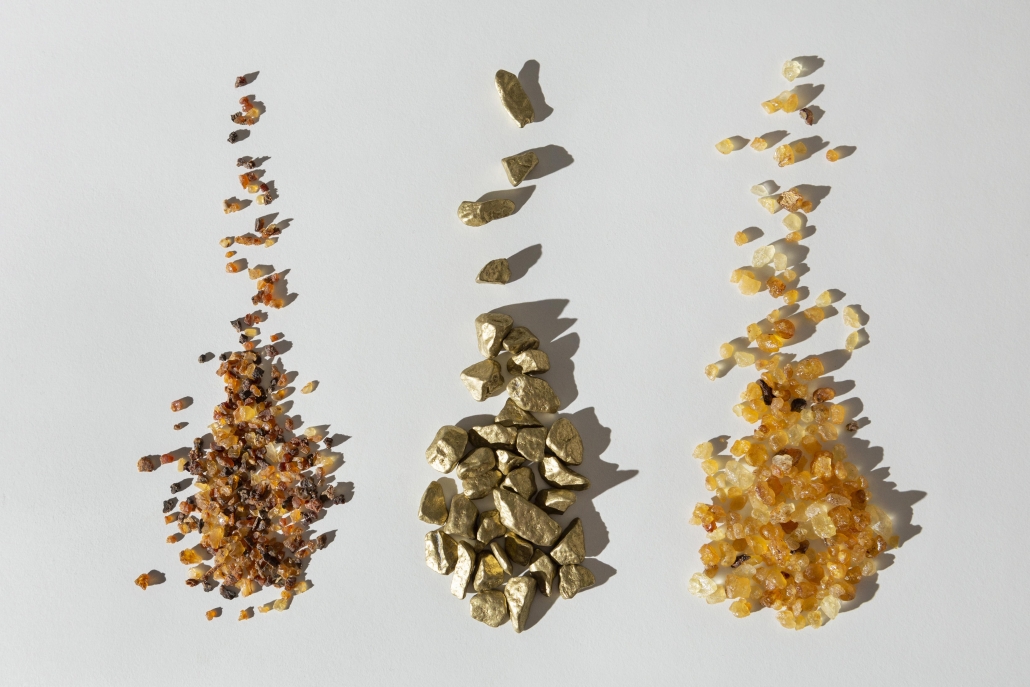
Yes, gold, myrrh and incense are ill-suited gifts, but they reveal what luxury is, and has always been: a social language, a symbol of power, glory and recognition. In ancient Egypt, gold, considered the flesh of the gods, was the prerogative of pharaohs and high priests. There was no need to forbid ordinary people to possess it; none would have dared. With the Greeks, then the Romans, luxury left the confines of temples to flourish in lavish banquets that ended in bacchanals, giving luxury its dimension of lust, called “luxure” in French, quite close to our own term “luxury”. Overabundance, waste, indecency, luxury is “too much” by nature and is frowned upon because popular culture has deemed it to be dangerous. Beware of taking it! That would be the sin of pride, like Nicolas Fouquet, who dared to own a château more beautiful than that of his monarch. We know where he ended up: in jail.
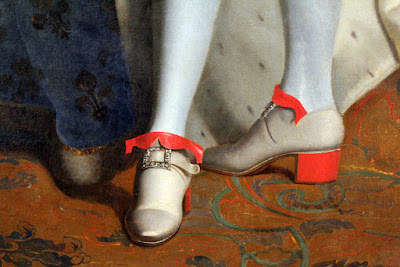
Kings, by contrast, always wanted more, endlessly appropriating colours or materials that cemented their difference: the yellow of the Chinese Emperor, or Louis XIV’s red heels, long before the Louboutin hysteria. You see the point: the child wrapped in a manger deserved his gold. It would take the French Revolution and the utopia of an egalitarian society for luxury to be born in its modern sense: a firm desire to stand apart. In short, still a language, but now one of status and stratification[2], obsessed with proving who truly holds power and with rising above the rest.
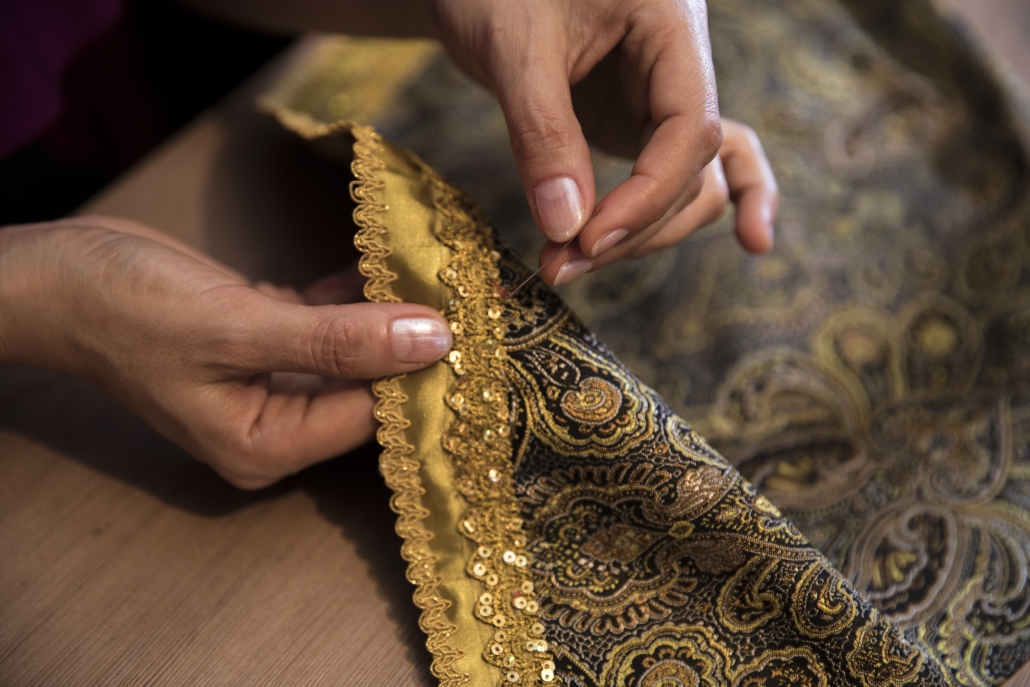
So, you may ask, is luxury useless? Not at all. To think so would be to throw the baby out with the bathwater. For alongside luxury emerged the relentless pursuit of beauty, craftsmanship, work well done, and the highest standards of quality. There is no luxury without know-how, and in its wake, it has carried an entire flourishing economic sector, both traditional and modern, capable of withstanding even the harshest crises. Behind a handbag or a watch derided by some for its exorbitant price, let us not forget the thousands of hands that worked on it, proudly and patiently, hands that for centuries have fed families through the dignity of honest, well-executed work.
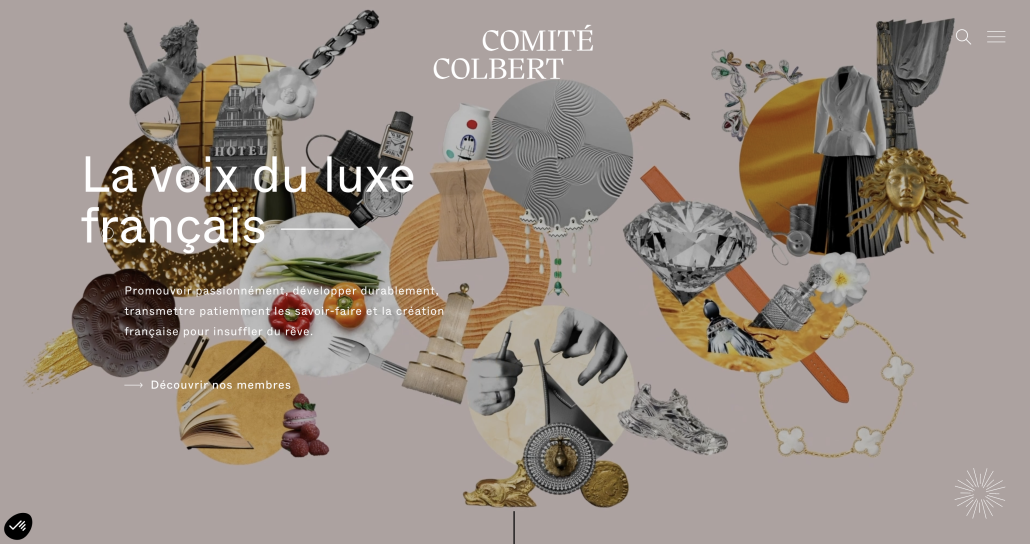
In December 2024, the Comité Colbert in France identified 234,000 companies linked to this sector,
the vast majority small- and medium-sized businesses, representing 500,000 active professionals and 198 crafts[3]. At a time when small businesses need public and private support, let us also think of our artisans. Once a religious language, then the preserve of kings, luxury gradually became a language of craftsmanship — but one that remains profoundly desirable. To embrace it is to fiercely defend the jewel of our industry, what France has done best for centuries.
Young people do love luxury, that much is true, and we should encourage them, not as an object of excess, but as a symbol of durability.
As early as Antiquity, Socrates lamented: “Our youth love luxury, have bad manners, mock authority and show no respect for age.” Socrates did not know my grandmother, yet their opinions converge. Proof that times may change, but generational rifts endure. Still, as Socrates never owned a Hermès bag, I shall allow myself to correct him. Young people do love luxury, that much is true, and we should encourage them, not as an object of excess, but as a symbol of durability. For the new generation is once again reshaping luxury, turning it into an environmental language. Buying better to last longer and standing in opposition to Shein and its ilk.
Luxury is transformed into a clever, coherent, committed purchase, even more so when bought second-hand.
This twenty-first century is stretching the boundaries of luxury, making it more accessible, in accordance with the French Revolution’s cry to allow everyone a taste of the Sun King’s privileges. The consequence? The blossoming of ultra-luxury, that is ever higher, ever more beautiful, bespoke and personalised, to continue to set oneself apart.
The times when the Romans confused luxury with lust are long gone. No doubt that is why some have sought a nobler etymology for the word, associating it instead with “lux”, meaning light. This inheritance is incorrect albeit poetic, and ultimately increasingly true. Luxury lights the way forward. Faced with the temptation of loud, excessive consumption, made up of countless cheap items quickly forgotten, luxury silently stands in opposition, championing values of timelessness and quality.
And you, what is your most beautiful definition of luxury?
Aurélie Leborgne,
January 2026
–
[1] Have I ever told you that I once intended to teach Latin? This etymology appears first and foremost in the Gaffiot, before gradually being supplanted by the second meaning of luxus, which denotes excess and overabundance.
[2] J.-N. KAPFERER, V.BASTIEN, The Luxury strategy, Break the rules of Marketing to build luxury brands.
[3] https://luxus-plus.com/le-comite-colbert-dresse-une-cartographie-precise-de-lartisanat-et-des-metiers-dart-en-france/?utm_source=chatgpt.com

Leave a Reply
Want to join the discussion?Feel free to contribute!